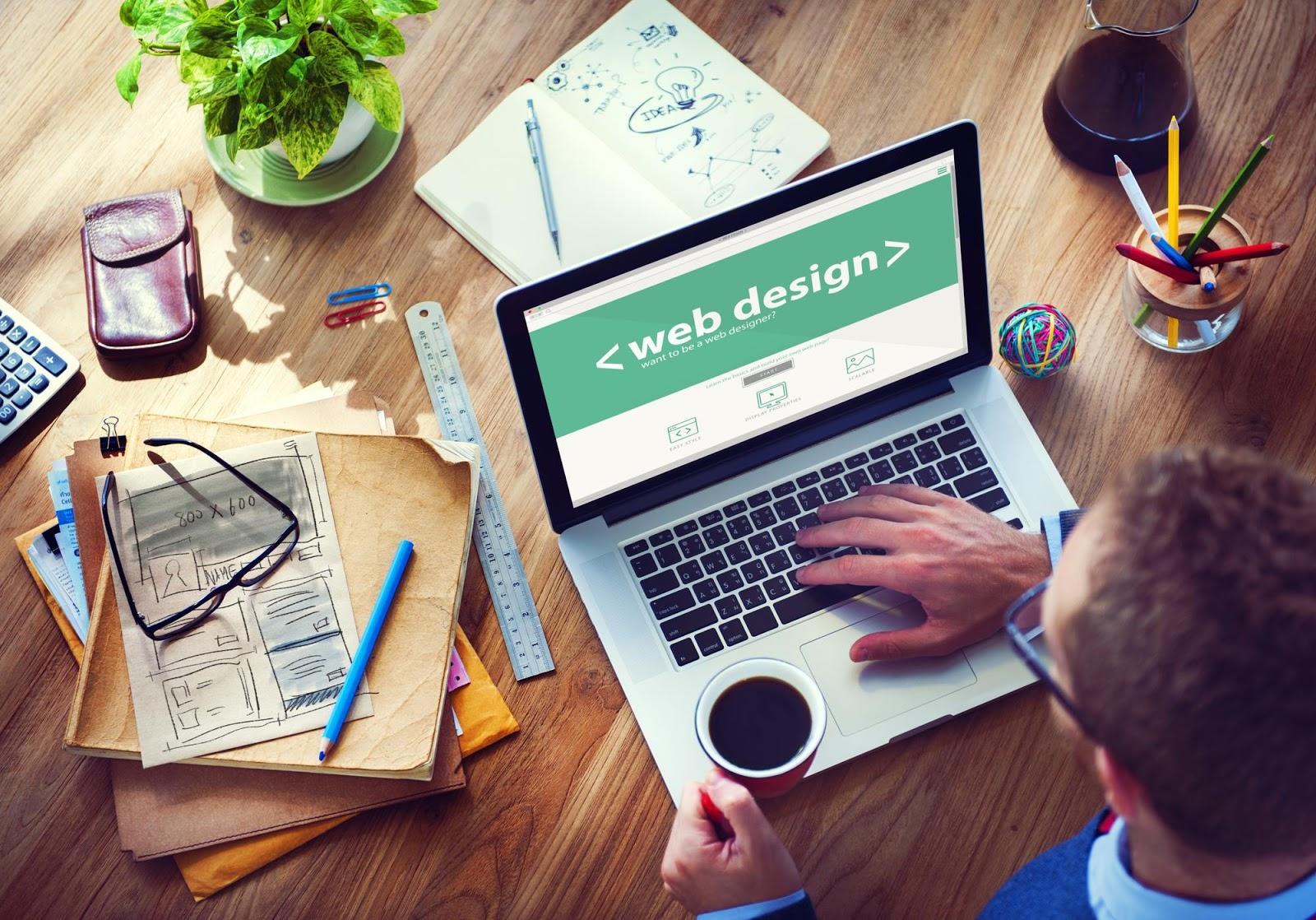
In today's digital age, a website is usually the first impression a company or individual makes online. Website design plays an essential role in shaping that impression, influencing how users perceive credibility, professionalism, and trustworthiness. A well-designed website doesn't just look attractive—it serves as a bridge between the brand and its audience, guiding visitors effortlessly toward information or actions. Whether for an organization, portfolio, or web store, design is the inspiration of online success.
Good website design is a mixture of aesthetics and functionality. A creatively appealing layout can capture attention, but usability ensures that visitors stay and explore. Elements like color diseño de paginas web cdmx schemes, typography, and imagery interact to produce mood and identity, while clear navigation, responsive layouts, and fast loading times make the knowledge smooth. In other words, beauty attracts, but usability retains. A designer's job is to find the perfect balance between form and function.
User experience (UX) is among the most heart of modern web design. Designers must think from the user's perspective—anticipating needs, minimizing confusion, and crafting intuitive journeys. Features such as for example simple navigation menus, clear calls-to-action, and consistent page layouts may make an environment of difference. Moreover, accessibility ensures that users, including those with disabilities, can enjoy and connect to the content. Great web design is inclusive, empathetic, and purposeful.
Technology continues to shape how websites are designed and experienced. The rise of mobile browsing, for example, has made responsive design essential rather than an option. Similarly, innovations like dark mode, animations, and AI personalization are changing how users engage with digital spaces. Designers today must stay adaptable, learning new tools and trends to help keep their websites modern and engaging while ensuring performance and security remain top priorities.
Ultimately, website design is approximately connection. It's not really a visual craft but in addition a proper procedure for communication. A well-designed website tells a tale, conveys values, and builds trust between creators and audiences. As the web continues to evolve, the significance of thoughtful, user-centered design will only grow—proving that a website is far more than pixels and code; it's the digital face of a notion taken to life.