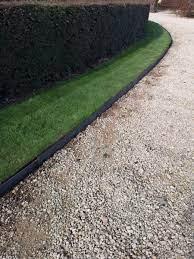

Driveway edging plays a crucial role in maintaining both the aesthetic appeal and structural integrity of your driveway. Among various materials, steel has emerged as a highly durable and versatile choice for driveway edging. It provides a clean, modern look while offering strength to keep your driveway materials in place. Here are some practical tips to ensure secure driveway edging with steel.
1. Choose the Right Type of Steel
When selecting steel for driveway edging, consider options like Corten steel or galvanized steel. Corten steel develops a protective rust layer over time, preventing further corrosion and giving a natural, rustic appearance. Galvanized steel, on the other hand, is coated with zinc, providing long-term resistance against rust and moisture. Your choice should driveway edging reflect both durability needs and aesthetic preferences.
2. Measure and Plan Accurately
Before installation, measure the perimeter of your driveway carefully. Plan the edging layout to follow the curves or straight lines of your driveway precisely. Proper planning minimizes material waste and ensures that the steel edging fits seamlessly with the overall landscape.
3. Prepare the Ground Properly
For secure installation, the ground along the driveway should be level and compacted. Remove grass, weeds, and debris, and ensure a stable base. In some cases, adding a layer of crushed stone or gravel can improve drainage and prevent steel edging from shifting over time.
4. Use Proper Anchoring Techniques
Steel driveway edging should be anchored firmly to prevent movement. Drive steel stakes into the ground at regular intervals along the length of the edging. For extra stability, concrete can be used to secure the stakes, especially in areas with heavy traffic or soft soil.
5. Consider Height and Depth
The steel edging should be slightly higher than the driveway surface to contain materials like gravel or asphalt effectively. At the same time, it should not be so high that it becomes a tripping hazard. A depth of 4 to 6 inches below ground is generally sufficient to keep the edging anchored and stable.
6. Maintain Proper Expansion Gaps
Steel expands and contracts with temperature changes. To prevent warping or buckling, leave small gaps between sections of steel. This allows for natural movement while maintaining a continuous, clean edge.
7. Regular Maintenance
Although steel is highly durable, periodic inspection is essential. Check for signs of rust, movement, or damage, and address issues promptly. For Corten steel, the protective rust layer reduces maintenance needs, while galvanized steel may benefit from occasional cleaning to maintain its finish.
8. Complement with Landscaping
Steel edging works best when integrated with landscaping features. Consider pairing it with gravel, pavers, or mulch to create a polished driveway look. The sharp, clean lines of steel edging enhance both modern and traditional landscape designs.
Conclusion
Secure driveway edging with steel combines functionality with style. By choosing the right type of steel, preparing the ground carefully, anchoring properly, and performing regular maintenance, you can create durable, attractive edges that enhance the lifespan and appearance of your driveway. Properly installed steel edging is a long-term investment in both safety and curb appeal.