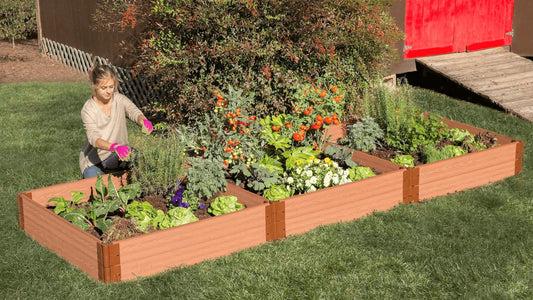
Raised garden beds have become increasingly popular among gardening enthusiasts, offering a practical and attractive solution for growing vegetables, herbs, and flowers. Whether you are a beginner or an experienced gardener, understanding the benefits, design, and maintenance of raised beds can significantly enhance your gardening success.
Benefits of Raised Garden Beds
Raised garden beds offer several advantages over traditional in-ground gardening. They improve soil drainage, reduce soil compaction, and provide better control over soil quality. This is particularly helpful in areas with poor or contaminated soil. Raised beds also make gardening more accessible, reducing the need to bend or kneel, which is beneficial for people with mobility steel garden beds challenges. Additionally, they can help deter weeds and pests more effectively than conventional garden plots.
Choosing the Right Location
Selecting the right location for your raised bed is crucial. Most vegetables and flowers require at least 6–8 hours of direct sunlight per day. Ensure the area has good drainage and is easily accessible for watering and maintenance. Avoid placing beds under large trees or near structures that may cast shadows or interfere with growth.
Materials and Construction
Raised beds can be constructed from various materials, including wood, metal, stone, or recycled materials. Wood is popular for its natural appearance, but it should be untreated or naturally rot-resistant to avoid chemicals leaching into the soil. Metal beds, such as those made from steel or corten steel, offer durability and a modern aesthetic. Ensure the height of the bed suits your needs—typically, 12–24 inches is sufficient for most plants.
Filling Your Raised Bed
The soil mix is key to a healthy raised bed. A combination of topsoil, compost, and organic matter creates a fertile environment that promotes strong plant growth. Avoid using subsoil alone, as it often lacks the nutrients necessary for thriving plants. Layering with mulch can also help retain moisture and suppress weeds.
Planting and Maintenance
Raised beds allow for better planting arrangements and crop rotation. Space plants according to their growth requirements and consider companion planting to enhance growth and deter pests. Regular watering, fertilizing, and weeding are essential for maintaining a productive raised bed. Installing drip irrigation or soaker hoses can make watering more efficient and consistent.
Seasonal Considerations
Raised beds warm up faster in spring and can extend your growing season. You can also cover them with row covers or cold frames to protect plants from frost. In winter, beds can be mulched heavily or left fallow to recover nutrients for the next season.
Conclusion
Raised garden beds offer a versatile, efficient, and visually appealing way to cultivate a garden. By selecting the right location, materials, and soil, and maintaining your bed properly, you can enjoy higher yields, healthier plants, and a more enjoyable gardening experience. For gardeners looking to maximize space and productivity, raised beds are an essential addition to any garden.