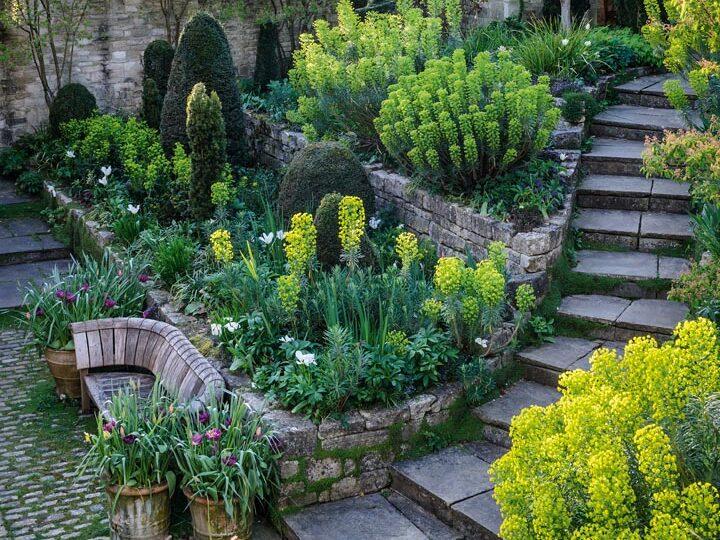

Designing a sloping garden can be both a challenge and an opportunity. Uneven terrain adds natural drama and depth to your landscape, but without proper structure, it can quickly become difficult to maintain. One of the most effective ways to bring order and elegance to a sloped yard is by using steel edging. Strong, sleek, and durable, steel edging not only defines spaces but also helps control erosion and create a polished, modern look. Here are some inspiring sloping garden ideas using steel edging to help you make the most of your landscape.
1. Create Terraced Levels
Transform a steep slope into a series of usable, flat terraces. By using steel edging as retaining borders, you can define each level cleanly while preventing soil movement. Fill each terrace with different plant types—such as groundcovers, shrubs, and ornamental grasses—to add texture and color. Steel’s slim profile keeps the focus on the plants while maintaining structural integrity.
2. Define Pathways and Steps
Sloping gardens often require pathways or steps for easy navigation. Steel edging provides crisp lines that neatly frame gravel, stone, or bark paths. On steeper gradients, it can help hold materials in place and prevent them from washing away during rain. For a contemporary aesthetic, pair blackened or corten steel edging with minimalist stone steps or concrete slabs.
3. Build Raised Garden Beds
Steel edging can double as the framework for raised beds on a slope. It allows you to level out planting areas and gives your garden a striking architectural feel. Raised beds bordered with steel are not only long-lasting but also low-maintenance—perfect for vegetables, herbs, or decorative plants.
4. Add Modern Design Accents
For homeowners who prefer a modern landscape design, steel edging complements minimalist and industrial aesthetics corten steel steps. Use it to create geometric planting zones, define lawn boundaries, or highlight a feature tree. The clean, linear look of steel contrasts beautifully with the organic flow of natural vegetation.
5. Control Erosion Naturally
One of the biggest issues with sloped gardens is soil erosion. Steel edging serves as an effective barrier to keep soil and mulch in place, especially after heavy rain. Combine it with groundcover plants and natural stone to create a visually appealing, erosion-resistant landscape.
6. Blend with Other Materials
Steel edging pairs beautifully with other garden materials such as timber, gravel, and stone. For example, use weathered corten steel alongside rustic wooden sleepers for a warm, textured contrast. Mixing materials creates visual interest and helps your garden blend seamlessly with its surroundings.
7. Light It Up
Enhance the sculptural lines of your sloping garden by integrating LED strip lighting or low-profile garden lights along the steel edges. This not only improves visibility and safety at night but also highlights the contours of your landscape for a stunning after-dark effect.
Final Thoughts
A sloping garden doesn’t have to be a landscaping nightmare. With steel edging, you can turn challenging terrain into a structured, stylish, and sustainable outdoor space. Whether you prefer a sleek modern look or a natural layered garden, steel edging provides both form and function—making it an ideal solution for any gradient.