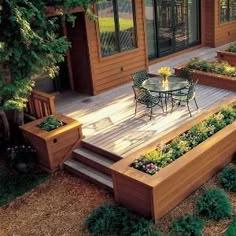

Planter boxes have become an essential tool for landscapers looking to add both beauty and practicality to outdoor spaces. Whether working on residential gardens, commercial properties, or public parks, planter boxes offer a versatile solution to incorporate greenery in a controlled, aesthetically pleasing way.
Versatility and Design Flexibility
One of the biggest advantages of planter boxes is their versatility. Available in a variety of materials such as wood, metal, plastic, and concrete, planter boxes can complement any landscaping style—from rustic and natural to modern and sleek. Landscapers can choose from different shapes and sizes to fit unique spaces, including terraces, patios, walkways, or even rooftops. This flexibility allows for creative design possibilities, making planter boxes an excellent tool to tailor outdoor environments to client preferences.
Improved Plant Growth and Maintenance
Planter boxes provide a controlled environment for plants to thrive. They allow landscapers to customize soil conditions, drainage, and irrigation systems more effectively than traditional ground planting. This control can be especially beneficial in areas with poor soil quality or limited planting space. Additionally, planter boxes help reduce weed growth and protect plants from pests, making maintenance easier and more efficient for landscapers.
Space Optimization and Mobility
In urban or compact outdoor settings, planter boxes maximize the use of limited space. They enable vertical gardening and the creation of green walls, turning small areas into lush, vibrant spots. Moreover outdoor plant box, planter boxes offer mobility—plants can be relocated seasonally or as design needs change. This adaptability is a great asset for commercial properties, event venues, or temporary installations.
Sustainability and Eco-Friendly Options
Many landscapers are now turning to eco-friendly planter boxes made from recycled or sustainable materials. These choices not only appeal to environmentally conscious clients but also contribute to reducing the carbon footprint of landscaping projects. Additionally, planter boxes can be designed to support rainwater harvesting and efficient irrigation, further promoting sustainable gardening practices.
Conclusion
For landscapers, planter boxes are more than just containers—they are strategic tools that enhance the beauty, functionality, and sustainability of outdoor spaces. With their design versatility, ease of maintenance, and space-saving benefits, planter boxes continue to be a popular choice for creating stunning landscapes that delight clients and improve the environment.