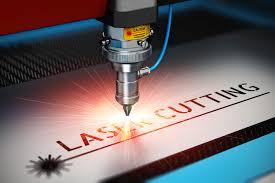
Laser cutting services have revolutionized the way in which industries approach fabrication and design. This advanced technology runs on the high-powered laser beam to cut, engrave, or etch materials with extreme precision. Unlike traditional cutting methods that depend on physical contact, laser cutting operates through focused light, allowing for intricate designs, smooth edges, and minimal waste. The method is popular across various industries—including automotive and aerospace to architecture and electronics—where accuracy and repeatability are paramount. As businesses continue to find cost-effective and high-quality solutions, laser cutting has emerged as a cornerstone of modern production techniques.
One of the most notable benefits of laser cutting services is their unmatched precision and versatility. The laser's fine beam can cut through a wide variety of materials such as metals, plastics, wood, glass, and composites with microscopic accuracy. This helps it be ideal for detailed patterns and complex shapes that would be difficult or impossible to achieve through mechanical means. Whether it's cutting stainless steel sheets for machinery, acrylic panels for signage, or delicate components for electronics, laser cutting ensures clean cuts without distortion or burrs. The computer-controlled process guarantees consistency across large production runs, maintaining identical results from the first piece to the last.
Efficiency is another key benefit which makes laser cutting services highly sought after. Traditional cutting methods often require tool changes, maintenance, and setup time, but laser systems operate without direct contact, reducing wear and downtime. Additionally, the method CNC and Robotic Welding produces minimal material waste since the laser beam is incredibly narrow and precise. With modern automation and CAD/CAM software integration, designs can be easily modified and optimized, speeding up production cycles while maintaining superior quality. This efficiency not merely lowers manufacturing costs but also supports sustainable production practices by minimizing scrap and energy consumption.
Laser cutting services also open doors for creative and customized design solutions. In industries such as for example interior design, fashion, and art, laser cutting is used to produce intricate decorative patterns, personalized engravings, and one-of-a-kind prototypes. The capacity to cut fine details with precision allows designers to explore creative possibilities that were once limited by conventional tools. Architects use laser-cut panels for facades and interior partitions, while jewelry makers and artisans employ the technology for crafting delicate, detailed pieces. As customization continues to operate a vehicle consumer demand, laser cutting offers an ideal blend of precision engineering and artistic freedom.
Looking ahead, the continuing future of laser cutting services is intertwined with advancements in automation, AI, and material science. New generations of fiber lasers and hybrid machines are achieving faster cutting speeds, higher energy efficiency, and the ability to process thicker materials. Integration with robotic arms and smart factory systems is further enhancing production flexibility and scalability. These innovations ensure that laser cutting will remain an important technology in the evolving landscape of digital manufacturing. In a global that values accuracy, speed, and customization, laser cutting services stand as a robust symbol of innovation and efficiency in the modern industrial era.
One of the most notable benefits of laser cutting services is their unmatched precision and versatility. The laser's fine beam can cut through a wide variety of materials such as metals, plastics, wood, glass, and composites with microscopic accuracy. This helps it be ideal for detailed patterns and complex shapes that would be difficult or impossible to achieve through mechanical means. Whether it's cutting stainless steel sheets for machinery, acrylic panels for signage, or delicate components for electronics, laser cutting ensures clean cuts without distortion or burrs. The computer-controlled process guarantees consistency across large production runs, maintaining identical results from the first piece to the last.
Efficiency is another key benefit which makes laser cutting services highly sought after. Traditional cutting methods often require tool changes, maintenance, and setup time, but laser systems operate without direct contact, reducing wear and downtime. Additionally, the method CNC and Robotic Welding produces minimal material waste since the laser beam is incredibly narrow and precise. With modern automation and CAD/CAM software integration, designs can be easily modified and optimized, speeding up production cycles while maintaining superior quality. This efficiency not merely lowers manufacturing costs but also supports sustainable production practices by minimizing scrap and energy consumption.
Laser cutting services also open doors for creative and customized design solutions. In industries such as for example interior design, fashion, and art, laser cutting is used to produce intricate decorative patterns, personalized engravings, and one-of-a-kind prototypes. The capacity to cut fine details with precision allows designers to explore creative possibilities that were once limited by conventional tools. Architects use laser-cut panels for facades and interior partitions, while jewelry makers and artisans employ the technology for crafting delicate, detailed pieces. As customization continues to operate a vehicle consumer demand, laser cutting offers an ideal blend of precision engineering and artistic freedom.
Looking ahead, the continuing future of laser cutting services is intertwined with advancements in automation, AI, and material science. New generations of fiber lasers and hybrid machines are achieving faster cutting speeds, higher energy efficiency, and the ability to process thicker materials. Integration with robotic arms and smart factory systems is further enhancing production flexibility and scalability. These innovations ensure that laser cutting will remain an important technology in the evolving landscape of digital manufacturing. In a global that values accuracy, speed, and customization, laser cutting services stand as a robust symbol of innovation and efficiency in the modern industrial era.