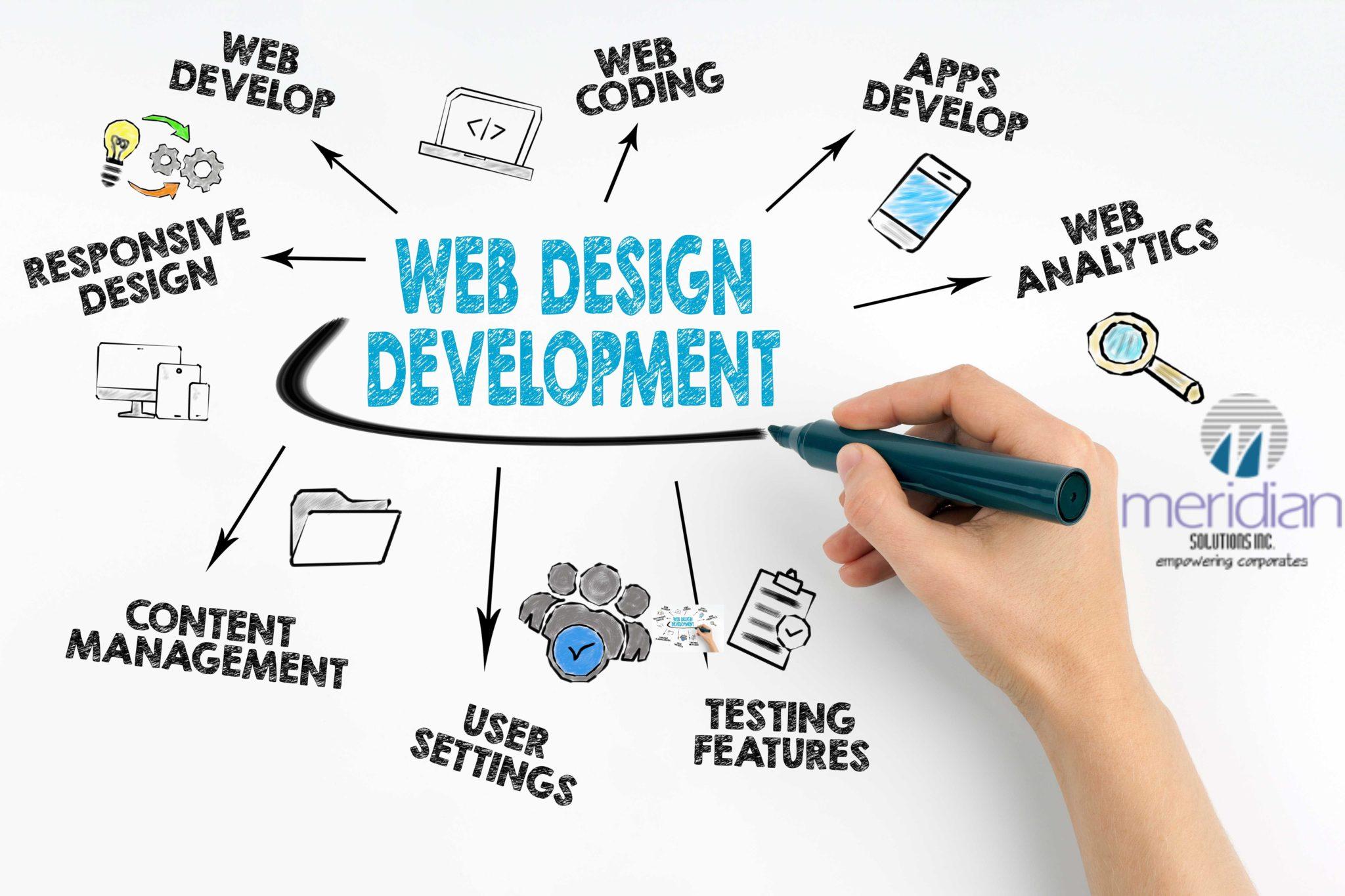

In the modern digital era, web design is no longer just about creating visually appealing websites. It’s about designing experiences that engage users, communicate a brand’s message, and drive meaningful actions. Every website, from a small personal blog to a global e-commerce platform, relies on effective web design to attract, retain, and convert visitors.
What Is Web diseño de paginas web cdmx Design?
Web design is the process of planning, conceptualizing, and arranging content online. It combines creativity and technical skills to deliver websites that are not only beautiful but also functional. Good web design considers various factors such as layout, color schemes, typography, user experience (UX), mobile responsiveness, and accessibility.
A successful website balances aesthetics with usability. It ensures that the website communicates its purpose clearly while providing an enjoyable and intuitive experience for users.
The Importance of Web Design
1. First Impressions Are Critical
Users form judgments about a website within seconds. A professional, clean, and modern design signals credibility and quality, while outdated or cluttered designs can drive visitors away instantly. First impressions matter, and web design is the key to creating a positive initial impact.
2. Enhances User Experience (UX)
User experience is central to web design. A well-designed website makes navigation effortless, provides clear pathways to information, and anticipates user needs. Smooth interactions, intuitive menus, and readable content reduce frustration, keep visitors engaged, and encourage repeat visits.
3. Strengthens Brand Identity
Every element of a website—colors, fonts, graphics, and layout—reflects the brand’s personality. Consistent design reinforces brand recognition and creates a sense of trust and professionalism. A cohesive design ensures that visitors remember the brand long after leaving the site.
4. Boosts SEO and Online Visibility
Search engines favor websites that are well-structured, fast-loading, and mobile-friendly. Good web design improves on-page SEO through proper coding, responsive layouts, and optimized media. This directly impacts search rankings and visibility, helping businesses reach a larger audience.
Key Elements of Modern Web Design
Responsive and Mobile-First Design
With more than half of internet traffic coming from mobile devices, responsive design is essential. A mobile-first approach ensures that websites function seamlessly across all devices, from smartphones to large desktop screens.
Visual Hierarchy and Layout
Effective web design guides users’ attention using visual hierarchy. Strategic placement of headings, images, buttons, and text blocks ensures visitors can quickly find information and complete desired actions.
Typography and Readability
Fonts, spacing, and text size play a crucial role in readability. Choosing the right typography makes content more accessible, improves comprehension, and enhances the overall user experience.
High-Quality Visuals
Images, icons, videos, and animations make websites visually engaging. However, these media must be optimized to prevent slow loading times, which can negatively impact user experience and search engine rankings.
Effective Call-to-Actions (CTAs)
Clear and compelling CTAs guide users toward desired actions, whether it’s making a purchase, signing up for a newsletter, or contacting a business. Thoughtful placement and design of CTAs are crucial for conversions.
Accessibility and Inclusivity
A modern website should be accessible to all users, including those with disabilities. Incorporating features like keyboard navigation, alternative text for images, and proper color contrast ensures that the website serves a wider audience.
Trends in Web Design
Web design is constantly evolving. Some current trends include:
Minimalist design: Clean layouts with ample white space to focus on key content.
Dark mode: Offering users a visually comfortable alternative interface.
Micro-interactions: Small animations that enhance engagement without overwhelming users.
Voice user interfaces (VUI): Supporting voice commands and searches for better accessibility.
Conclusion
Web design is both an art and a science. It combines creativity, strategy, and technology to create digital experiences that are visually appealing, user-friendly, and highly functional. Businesses and individuals that invest in high-quality web design gain a competitive edge, strengthen their brand presence, and connect with users more effectively.
A well-designed website is more than just a digital presence—it’s a powerful tool for engagement, trust, and growth. Whether you are creating a portfolio, e-commerce platform, corporate site, or personal blog, focusing on thoughtful and modern web design is essential for success in today’s online world.