Working at heights is a HELMETS & HARD HATS common requirement across various industries, including construction, maintenance, warehousing, telecommunications, and roofing. While these tasks are essential to daily operations, they also come with significant risks. To protect workers and ensure regulatory compliance, height safety equipment plays a crucial role in preventing falls and reducing workplace injuries.
What Is Height Safety Equipment?
Height safety equipment includes a range of tools and protective devices designed to keep workers safe when performing tasks above ground level. This equipment helps prevent falls, minimize injury in the event of an accident, and create a safer working environment. It is used in situations such as climbing ladders, scaffolding work, and accessing roofs or elevated platforms.
Key Types of Height Safety Equipment
1. Fall Arrest Systems
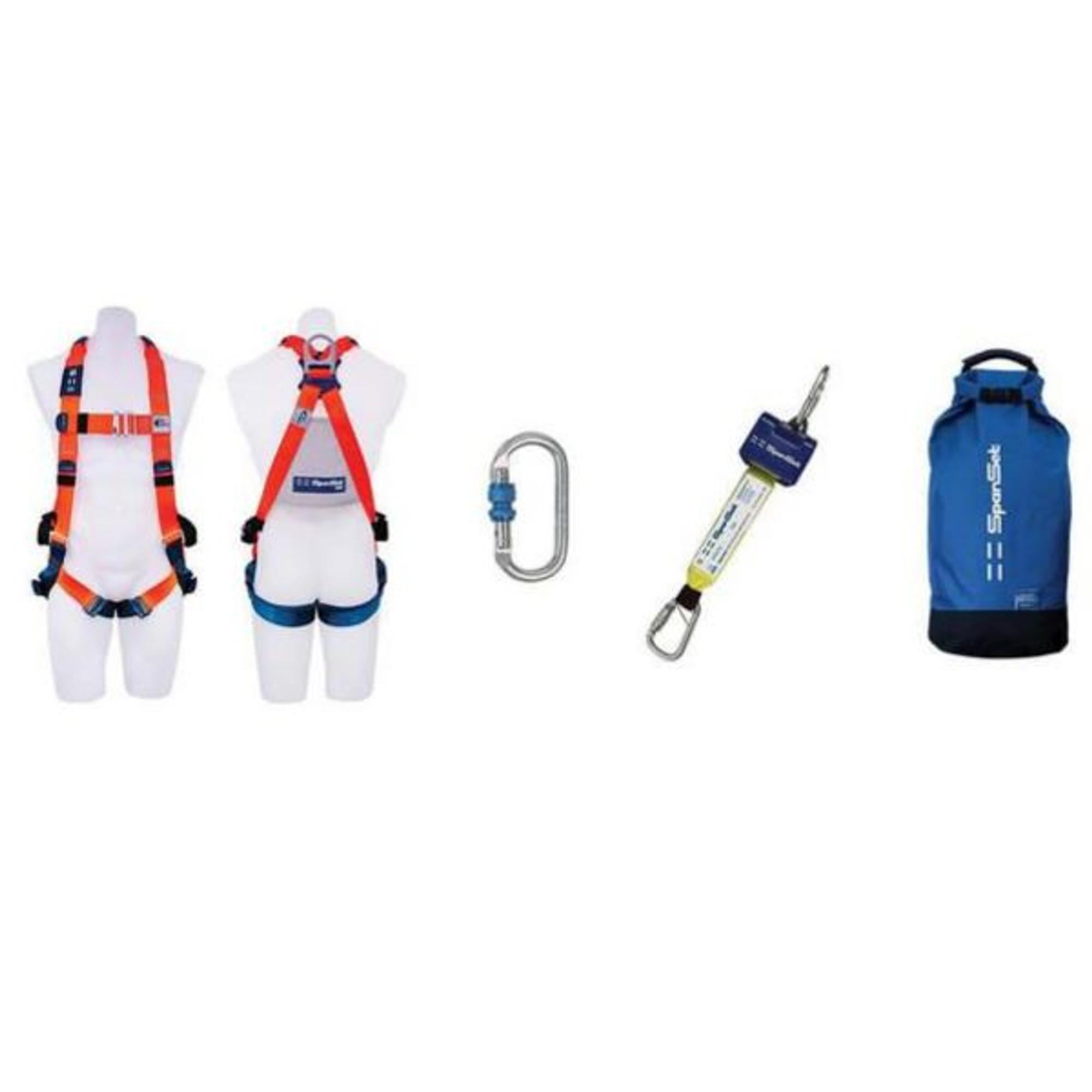
Fall arrest systems stop a worker from hitting the ground or other lower surfaces after a fall. These systems typically include:
Full-body harnesses
Shock-absorbing lanyards
Self-retracting lifelines (SRLs)
Anchor points
Fall arrest systems ensure workers remain suspended safely until rescue procedures can be carried out.
2. Fall Restraint Systems
Unlike fall arrest systems, fall restraint equipment prevents workers from reaching a fall hazard. Common components include:
Harnesses
Adjustable lanyards
Fixed-length restraint lines
These systems are ideal for tasks performed near edges, such as rooftop inspections.
3. Personal Protective Equipment (PPE)
PPE enhances overall safety and includes:
Helmets with chin straps
Non-slip safety boots
High-visibility clothing
Gloves with strong grip
This equipment provides added security while working at heights.
4. Guardrails and Barriers
Guardrails, handrails, and temporary barriers provide collective protection for workers on platforms, rooftops, and scaffolds. These are essential for preventing accidental slips and falls.
5. Ladder Safety Equipment
Ladder safety devices are vital for workers using fixed or portable ladders. They include:
Ladder stabilizers
Fall-arrest rails
Safety cages
These accessories ensure stable climbing and reduce the risk of missteps.
6. Anchor Points and Lifeline Systems
Anchor points serve as secure attachment locations for harnesses and lanyards. Lifeline systems—horizontal or vertical—provide continuous protection for workers moving along structures.
Why Height Safety Equipment Matters
1. Prevents Serious Injuries and Fatalities
Falls from heights remain one of the leading causes of workplace injuries. Proper safety equipment significantly reduces this risk.
2. Meets Legal and Industry Requirements
Most countries have strict regulations regarding height safety. Using certified equipment helps businesses stay compliant and avoid penalties.
3. Protects Workers and Increases Confidence
When workers feel safe, they perform tasks more efficiently and with greater confidence.
4. Reduces Workplace Downtime
Accidents lead to investigations, delays, and increased costs. Installing the right safety systems helps maintain workflow continuity.
Maintenance and Inspection of Height Safety Equipment
To ensure ongoing safety:
Conduct regular inspections before and after use
Replace damaged or worn-out components immediately
Keep equipment clean and properly stored
Follow manufacturer guidelines for servicing and testing
Proper maintenance ensures longevity and reliability of all safety systems.
Conclusion
Height safety equipment is essential for any industry involving elevated work. By investing in quality gear, implementing proper training, and adhering to safety standards, businesses can protect their workforce and create a secure environment. Whether it's a simple rooftop task or complex construction work, the right height safety solution can make all the difference.
The Importance of Height Safety Equipment in Modern Workplaces