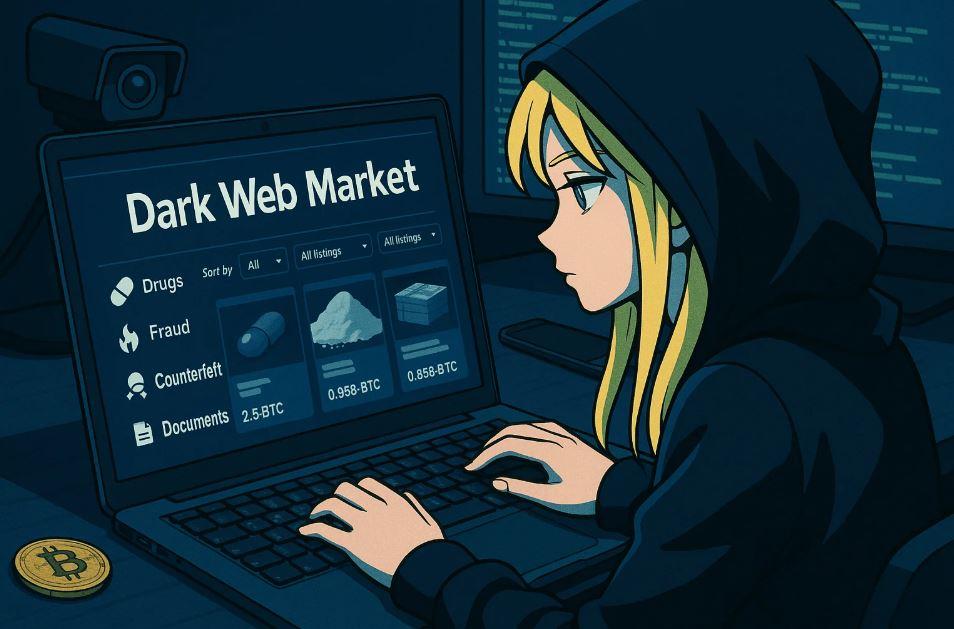
The dark web has long captured public attention due to its association with anonymous networks and illicit marketplaces. At the middle of its complexity are “dark-web market links,” which are generally circulated within underground forums and anonymous channels. These links point out marketplaces that operate behind encryption layers and anonymity protocols such as for example TOR. Although popularized through media portrayals, the truth is less glamorous: these markets serve as hubs for illegal trade, data breaches, and organized cybercrime. Understanding how these links function, and the dangers they pose, is required for protecting individuals and institutions from exploitation.
Dark-web market links often act as gateways into environments where users believe they can avoid identification. This sense of invisibility feeds criminal activity, from the sale of stolen personal information to illicit substances and digital hacking tools. However, users who attempt to access these markets face significant risks, including malware infections, scams, identity theft, and surveillance by cyber-criminals. Many dark-web links intentionally redirect to phishing sites that steal login credentials, cryptocurrency, and even the user's entire digital identity. Simply interacting with one of these links can compromise a device, making them a major cybersecurity threat.
Police agencies around the globe have become increasingly adept at infiltrating dark-web communities. Through undercover operations, cryptocurrency tracking, and advanced digital forensics, agencies such as the FBI, Europol, and Interpol regularly dismantle major best darkweb market marketplaces. Each time a dark-web market is seized, authorities often acquire server logs or user communications that expose the identities of buyers, sellers, and administrators. These takedowns demonstrate that the perceived anonymity of dark-web market links is definately not guaranteed. Users who talk with them frequently underestimate the sophistication of modern cyber-policing.
The existence of dark-web market links also fuels a broader cybersecurity challenge: the circulation of stolen data. Information from corporate breaches—such as for example passwords, financial records, and medical data—often eventually ends up for sale on hidden marketplaces. This plays a part in identity theft, ransomware attacks, and large-scale fraud. Companies and individuals alike must remain vigilant by monitoring credential leaks, practicing strong password hygiene, enabling multi-factor authentication, and staying informed about how precisely their data could possibly be exploited on the dark web. Cybersecurity professionals routinely track dark-web spaces to not participate, but to guard the general public by identifying emerging threats.
Ultimately, the conversation surrounding dark-web market links highlights the requirement for awareness, education, and proactive digital safety. While these markets operate in hidden corners of the net, their impact reaches the everyday online world through data breaches, stolen identities, and evolving cyber-crimes. By understanding the mechanisms, risks, and law-enforcement efforts associated with one of these links, people can better protect themselves and recognize why reaching dark-web markets is both dangerous and illegal. The most effective defense is knowledge—and your decision to remain far far from the darker side of the internet.