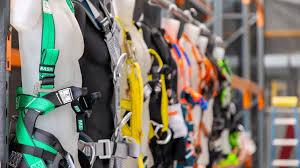
Working at heights is one of the most ENERGY ABSORBERS dangerous tasks across industries such as construction, maintenance, warehousing, and telecommunications. Falls from height remain a leading cause of serious injuries and fatalities worldwide. To mitigate these risks, height safety equipment plays a crucial role in protecting workers and ensuring workplace safety.
What is Height Safety Equipment?
Height safety equipment refers to specialized gear designed to protect individuals from falls while working at elevated positions. These tools are engineered to prevent accidents, reduce injury severity, and comply with occupational safety regulations.
Key Types of Height Safety Equipment
Safety Harnesses
Safety harnesses are worn by workers to secure their bodies in case of a fall. Full-body harnesses are the most common, distributing fall forces across the shoulders, chest, and thighs. Proper fitting and adjustment are essential for effectiveness.
Lanyards and Lifelines
Lanyards connect the safety harness to a secure anchor point, while lifelines provide continuous protection as workers move along elevated structures. Shock-absorbing lanyards help reduce the impact of a fall.
Anchorage Points
Anchor points are secure locations where lanyards or lifelines are attached. They can be permanent, such as roof anchors, or temporary, such as beam clamps. The strength and stability of anchor points are critical for worker safety.
Guardrails and Safety Nets
Physical barriers like guardrails prevent workers from accidentally stepping over edges. Safety nets catch workers if they fall, especially in areas where harness use is challenging.
Rope Access Equipment
Rope access systems, including ropes, ascenders, and descenders, allow workers to safely climb, descend, and work on vertical or steep surfaces. These systems are commonly used in window cleaning, telecom tower maintenance, and industrial inspections.
Fall Arrest Systems
These systems are designed to stop a fall in progress, minimizing injury. They typically consist of a harness, shock absorber, and anchorage device, all tested to withstand fall forces.
Importance of Height Safety Equipment
Prevent Injuries and Fatalities: The primary goal is to protect workers from falls, which are often life-threatening.
Regulatory Compliance: Using proper safety equipment ensures compliance with occupational safety standards such as OSHA, ISO, and local workplace safety regulations.
Boost Worker Confidence: Knowing they are protected allows workers to perform tasks more efficiently and confidently.
Cost Savings: Preventing accidents reduces medical expenses, compensation claims, and project delays.
Best Practices for Using Height Safety Equipment
Always inspect equipment for wear and damage before use.
Ensure proper training for all workers on correct usage and emergency procedures.
Follow manufacturer guidelines and safety standards.
Regularly maintain and replace equipment as needed.
Use multiple protective systems where possible (e.g., harness + guardrail).
Conclusion
Height safety equipment is an essential investment for any workplace involving elevated work. By using the right gear, following safety protocols, and fostering a culture of vigilance, businesses can significantly reduce the risk of falls, protect their workforce, and maintain regulatory compliance. Safety at height is not just a legal obligation—it’s a moral responsibility.
Height Safety Equipment: Ensuring Safety at Heights