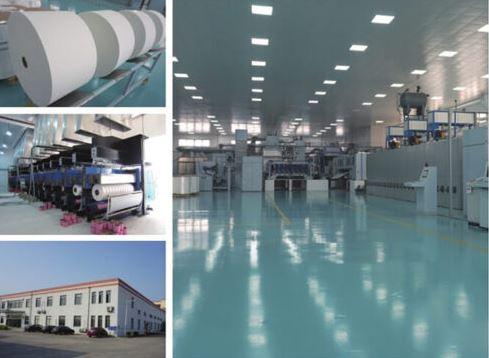
PLA yarn is emerging together of the most eco-friendly and innovative materials in the present textile and crafting industries. Produced from polylactic acid based on renewable resources such as for example corn starch, sugarcane, and other natural plant fibers, PLA yarn supplies a biodegradable option to traditional synthetic fibers like polyester and nylon. Its growing popularity reflects a worldwide shift toward sustainable production, reduced environmental impact, and increased demand for materials that balance quality with ecological responsibility. As both consumers and manufacturers seek greener options, PLA yarn has positioned itself as a promising solution for environmentally conscious textile applications.
One of the most notable benefits of PLA yarn is its impressive strength-to-weight ratio, making it both durable and lightweight. Despite being biodegradable, the yarn can withstand significant tension, friction, and repeated use, and can perform well in crafting, knitting, weaving, and industrial textiles. Its smooth surface results in a cushty texture that is gentle on your skin, rendering it ideal for clothing, accessories, and home décor projects. Additionally, PLA fibers resist shrinkage and maintain shape retention a lot better than some natural fibers, offering consistent results for hobbyists and manufacturers alike.
Another key advantageous asset of PLA yarn is its excellent breathability and moisture-wicking pla yarn properties. These characteristics help regulate temperature and maintain comfort, particularly in wearable fabrics. Unlike petroleum-based fibers, PLA does not trap moisture or generate excessive heat, making garments more breathable and pleasant to wear. The yarn also boasts natural odor resistance and antibacterial qualities, which further enhance its performance in sportswear, baby clothing, and eco-friendly fabric accessories. These functional advantages add to the material's appeal in markets seeking healthier and safer textile options.
From an environmental perspective, PLA yarn stands out as an exceptional sustainable alternative. Its production process generates fewer carbon emissions and consumes less energy in comparison to conventional synthetic fibers. PLA Is biodegradable under industrial composting conditions, eventually wearing down into natural components such as for instance co2 and water. Although it requires specific composting environments to degrade efficiently, its renewable origin and reduced environmental footprint ensure it is much more eco-friendly than traditional plastics. It's encouraged designers, brands, and textile innovators to explore PLA As part of their sustainable product lines.
As demand for eco-conscious materials continues to grow, PLA yarn is poised to play a substantial role in the future of textiles. Its combination of durability, comfort, sustainability, and versatility helps it be well-suited for diverse projects which range from apparel and household items to 3D knitting and specialty crafts. With ongoing advancements in fiber technology, PLA yarn is likely to become even stronger, softer, and more adaptable in the coming years. For makers and manufacturers committed to sustainability, PLA yarn presents a forward-thinking option that supports both creativity and environmental responsibility.
One of the most notable benefits of PLA yarn is its impressive strength-to-weight ratio, making it both durable and lightweight. Despite being biodegradable, the yarn can withstand significant tension, friction, and repeated use, and can perform well in crafting, knitting, weaving, and industrial textiles. Its smooth surface results in a cushty texture that is gentle on your skin, rendering it ideal for clothing, accessories, and home décor projects. Additionally, PLA fibers resist shrinkage and maintain shape retention a lot better than some natural fibers, offering consistent results for hobbyists and manufacturers alike.
Another key advantageous asset of PLA yarn is its excellent breathability and moisture-wicking pla yarn properties. These characteristics help regulate temperature and maintain comfort, particularly in wearable fabrics. Unlike petroleum-based fibers, PLA does not trap moisture or generate excessive heat, making garments more breathable and pleasant to wear. The yarn also boasts natural odor resistance and antibacterial qualities, which further enhance its performance in sportswear, baby clothing, and eco-friendly fabric accessories. These functional advantages add to the material's appeal in markets seeking healthier and safer textile options.
From an environmental perspective, PLA yarn stands out as an exceptional sustainable alternative. Its production process generates fewer carbon emissions and consumes less energy in comparison to conventional synthetic fibers. PLA Is biodegradable under industrial composting conditions, eventually wearing down into natural components such as for instance co2 and water. Although it requires specific composting environments to degrade efficiently, its renewable origin and reduced environmental footprint ensure it is much more eco-friendly than traditional plastics. It's encouraged designers, brands, and textile innovators to explore PLA As part of their sustainable product lines.
As demand for eco-conscious materials continues to grow, PLA yarn is poised to play a substantial role in the future of textiles. Its combination of durability, comfort, sustainability, and versatility helps it be well-suited for diverse projects which range from apparel and household items to 3D knitting and specialty crafts. With ongoing advancements in fiber technology, PLA yarn is likely to become even stronger, softer, and more adaptable in the coming years. For makers and manufacturers committed to sustainability, PLA yarn presents a forward-thinking option that supports both creativity and environmental responsibility.