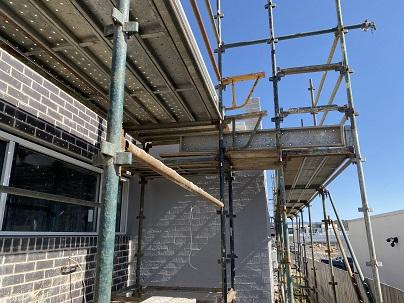
Building inspections play a critical role in ensuring the safety, durability, and compliance of both residential and commercial structures. A comprehensive inspection provides an in depth snapshot of a property's current condition, helping owners, buyers, and investors make informed decisions. These inspections typically cover structural components, electrical systems, plumbing, roofing, and overall building integrity. By identifying potential issues early, inspections reduce the danger of costly repairs and enhance long-term property value. Whether performed during construction, before a sale, or within routine maintenance, building inspections are fundamental for safeguarding occupants and preserving living of a building.
Among the key great things about a building inspection is its ability to uncover hidden defects that might not be visible during an everyday walk-through. Many structural or mechanical problems—such as faulty wiring, moisture intrusion, foundation cracks, or deteriorating roofing—often remain unnoticed until they cause significant damage. Inspectors use specialized tools and techniques to detect these issues early, preventing future hazards and unexpected repair expenses. This makes inspections especially valuable for buyers who wish to understand precisely what they're purchasing and avoid unforeseen liabilities.
Building inspections also ensure that structures comply with local building codes and safety regulations. These standards are created to protect public health and safety by establishing minimum requirements for design, construction, and maintenance. Inspectors verify that most components meet these regulatory guidelines, from fire safety systems to load-bearing walls. Compliance is not just a legal obligation—it's an essential measure to ensure the building can withstand environmental stresses, daily use, and potential emergencies. For contractors and property developers, regular inspections help maintain accountability and prevent costly project delays.
Regular inspections contribute significantly to long-term property maintenance. Even well-built structures deteriorate as time passes due to weather, age, and usage. Routine assessments canberra building Inspections allow property owners to recognize maintenance needs before they escalate into major problems. As an example, a small roof leak caught early can prevent interior water damage, mold growth, and structural decay. By maintaining a constant inspection schedule, owners can prolong the lifespan of their building systems, optimize repair costs, and improve energy efficiency. This proactive way of upkeep ultimately protects both the property's value and the well-being of its occupants.
Finally, building inspections provide invaluable peace of mind. Whether someone is purchasing a new property, managing a rental unit, or ensuring the safety of a professional facility, an in depth inspection report offers clear insights to the building's condition. It empowers stakeholders to negotiate repairs, plan upgrades, and make strategic decisions with confidence. In a global where infrastructure safety and liability concerns are growing, building inspections serve as a trusted safeguard—promoting transparency, preventing accidents, and supporting responsible property management.
Among the key great things about a building inspection is its ability to uncover hidden defects that might not be visible during an everyday walk-through. Many structural or mechanical problems—such as faulty wiring, moisture intrusion, foundation cracks, or deteriorating roofing—often remain unnoticed until they cause significant damage. Inspectors use specialized tools and techniques to detect these issues early, preventing future hazards and unexpected repair expenses. This makes inspections especially valuable for buyers who wish to understand precisely what they're purchasing and avoid unforeseen liabilities.
Building inspections also ensure that structures comply with local building codes and safety regulations. These standards are created to protect public health and safety by establishing minimum requirements for design, construction, and maintenance. Inspectors verify that most components meet these regulatory guidelines, from fire safety systems to load-bearing walls. Compliance is not just a legal obligation—it's an essential measure to ensure the building can withstand environmental stresses, daily use, and potential emergencies. For contractors and property developers, regular inspections help maintain accountability and prevent costly project delays.
Regular inspections contribute significantly to long-term property maintenance. Even well-built structures deteriorate as time passes due to weather, age, and usage. Routine assessments canberra building Inspections allow property owners to recognize maintenance needs before they escalate into major problems. As an example, a small roof leak caught early can prevent interior water damage, mold growth, and structural decay. By maintaining a constant inspection schedule, owners can prolong the lifespan of their building systems, optimize repair costs, and improve energy efficiency. This proactive way of upkeep ultimately protects both the property's value and the well-being of its occupants.
Finally, building inspections provide invaluable peace of mind. Whether someone is purchasing a new property, managing a rental unit, or ensuring the safety of a professional facility, an in depth inspection report offers clear insights to the building's condition. It empowers stakeholders to negotiate repairs, plan upgrades, and make strategic decisions with confidence. In a global where infrastructure safety and liability concerns are growing, building inspections serve as a trusted safeguard—promoting transparency, preventing accidents, and supporting responsible property management.