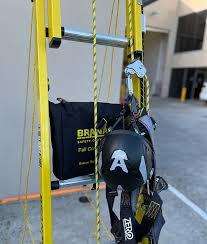
Working at height is one of the most SAFETY SERVICING hazardous tasks across many industries, including construction, maintenance, telecommunications, and manufacturing. Falls from height remain a leading cause of serious injuries and fatalities worldwide. Height safety equipment plays a critical role in minimizing these risks by providing protection, stability, and confidence to workers operating above ground level.
What Is Height Safety Equipment?
Height safety equipment refers to a range of protective tools and systems designed to prevent falls or reduce the severity of injuries if a fall occurs. This equipment ensures compliance with safety regulations while promoting a secure working environment for employees who perform tasks at elevated locations.
Types of Height Safety Equipment
Several types of height safety equipment are commonly used depending on the nature of the work and the height involved:
1. Fall Arrest Systems
Fall arrest systems are designed to stop a worker after a fall has begun. These systems typically include full-body harnesses, shock-absorbing lanyards, and secure anchorage points that reduce the impact forces on the body.
2. Work Positioning Systems
Work positioning systems allow workers to maintain a stable position while keeping their hands free to perform tasks. These systems are especially useful for tasks requiring precision and extended working time at height.
3. Fall Restraint Systems
Fall restraint systems prevent workers from reaching hazardous edges where a fall could occur. By restricting movement, these systems eliminate the risk of falling altogether.
4. Safety Nets and Guardrails
Safety nets and guardrails act as collective protection measures. They are commonly used on construction sites to safeguard multiple workers without requiring individual protective equipment.
5. Anchors and Lifelines
Anchors and lifelines provide secure attachment points for harnesses and lanyards. Horizontal and vertical lifelines enable safe movement while remaining continuously connected to a safety system.
Importance of Using Height Safety Equipment
The use of proper height safety equipment significantly reduces workplace accidents and injuries. It helps organizations comply with occupational safety standards and demonstrates a commitment to employee well-being. In addition to saving lives, effective height safety measures can lower downtime, reduce compensation claims, and enhance overall productivity.
Training and Proper Usage
Even the best equipment is ineffective if used incorrectly. Workers must receive proper training on how to inspect, wear, and use height safety equipment. Regular equipment checks and maintenance are essential to ensure reliability and long-term performance.
Conclusion
Height safety equipment is a vital investment for any industry where working at elevated levels is unavoidable. By selecting the right equipment, ensuring proper installation, and providing comprehensive training, employers can create a safer workplace and protect their most valuable asset—their workforce
Height Safety Equipment: Protecting Lives While Working at Elevated Levels