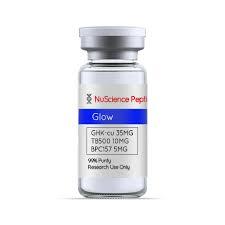
Peptides, often referred to as the peptide calculator building blocks of life, are small chains of amino acids that play a crucial role in numerous biological functions. Though they are often overshadowed by larger, more complex proteins, peptides are gaining significant attention in the fields of medicine, skincare, and fitness due to their versatile and potent effects on the body. In this article, we’ll explore what peptides are, their function, and how they are being utilized to improve health, combat aging, and enhance athletic performance.
What Are Peptides?
Peptides are short chains of amino acids—organic compounds that are the building blocks of proteins. While proteins are long chains of amino acids, peptides are simply smaller versions. Typically, peptides contain between two to fifty amino acids, and their structure is what allows them to exert powerful effects on biological systems.
Peptides are involved in a wide range of physiological functions, from hormone production to immune response, and even cellular repair. Their small size allows them to easily interact with receptors in cells, making them highly effective at targeting specific biological pathways.
The Role of Peptides in Health
Peptides and Hormones
Many peptides are hormones or precursors to hormones, meaning they can directly influence the body’s hormonal systems. For example, growth hormone-releasing peptides (GHRPs) stimulate the release of growth hormone, which is essential for tissue growth, repair, and metabolism. Other peptides can influence insulin secretion, regulate appetite, and even improve sleep patterns.
Peptides and Skin Care
One of the most exciting uses of peptides today is in the skincare industry. Peptides help improve skin elasticity, reduce wrinkles, and promote healing. For instance, collagen peptides are a popular ingredient in anti-aging skincare products because they support the production of collagen, a protein that keeps the skin firm and youthful.
Topical peptides can penetrate the skin and stimulate the production of collagen and elastin, promoting skin rejuvenation. Some peptides also have antioxidant properties, protecting the skin from environmental damage.
Peptides and Immune Support
Peptides also play a significant role in the immune system. Certain peptides have antimicrobial properties, helping the body to fight off bacteria, viruses, and fungi. Others help regulate the immune response, ensuring that the body reacts appropriately to infections without causing unnecessary inflammation.
Peptides in Cellular Repair and Regeneration
Some peptides are known for their ability to stimulate cellular repair and regeneration. For example, peptides like BPC-157 and TB-500 have gained attention in the athletic and medical communities for their potential to aid in the healing of injuries. These peptides may accelerate the healing of tendons, muscles, and ligaments, making them valuable for those recovering from sports-related injuries or surgeries.
Peptides in Fitness and Performance Enhancement
Athletes and fitness enthusiasts are also turning to peptides as part of their training and recovery regimens. Some peptides, like melanotan II, can help increase endurance, while others, like CJC-1295, may aid in muscle growth and fat loss. Peptides can enhance performance by increasing energy levels, improving recovery times, and promoting muscle protein synthesis.
Because peptides work on a molecular level to influence biological systems, they can potentially help individuals achieve their fitness goals faster and more efficiently. However, the use of performance-enhancing peptides should always be approached with caution, as long-term effects are still being studied.
Are Peptides Safe?
While peptides have shown promise in various therapeutic applications, it’s important to note that they are still being researched. The safety of synthetic peptides, particularly those used for performance enhancement or aesthetic purposes, is not always guaranteed. As with any supplement or treatment, it’s essential to consult with a healthcare provider before beginning any peptide-based therapy.
Moreover, peptides should always be sourced from reputable suppliers, as the quality of synthetic peptides can vary. Misuse or improper dosing can also lead to adverse effects, making proper guidance crucial.
The Future of Peptides
The potential of peptides is vast, and as research continues, we may see even more groundbreaking uses in medicine, wellness, and sports performance. Peptides could revolutionize how we treat chronic diseases, manage aging, and enhance our physical capabilities. As the science evolves, peptides are likely to become a staple in personalized medicine, offering tailor-made solutions for a variety of health issues.
In conclusion, peptides are much more than just a trend. They are tiny powerhouses that hold incredible potential for improving our health, enhancing our beauty, and optimizing our physical performance. Whether you’re interested in their applications for skincare, athletic performance, or overall well-being, peptides are certainly worth keeping an eye on as science continues to unlock their secrets
The Power of Peptides: Unlocking the Potential of Tiny Proteins in Health and Wellness